
We’ve all made mistakes at work. Maybe you sent an email to the wrong person or forgot about a meeting. But some business errors are on an entirely different scale. We’re talking about blunders that don’t just cost a few thousand dollars, they wipe out billions and sometimes bring down entire companies.
The scary part? Many of these disasters started with decisions that seemed reasonable at the time. Let’s look at ten types of errors that have cost companies billions, and what we can learn from them.
1. Blockbuster Ignoring Netflix
In the early 2000s, Netflix offered to sell its small DVD-by-mail service to Blockbuster for about $50 million. Blockbuster laughed at the offer and said no. They couldn’t imagine a world where people wouldn’t want to browse aisles of movies on Friday nights.
Within ten years, streaming changed how the world watched movies. Netflix is now worth more than $200 billion. Blockbuster has only one store left, operating as a nostalgic tourist attraction.
The lesson: Never ignore new technology or changing customer habits. What looks like a small trend today might be your biggest threat tomorrow. The companies that survive aren’t always the strongest, they’re the ones that adapt fastest.
2. Nokia’s Fall from the Top
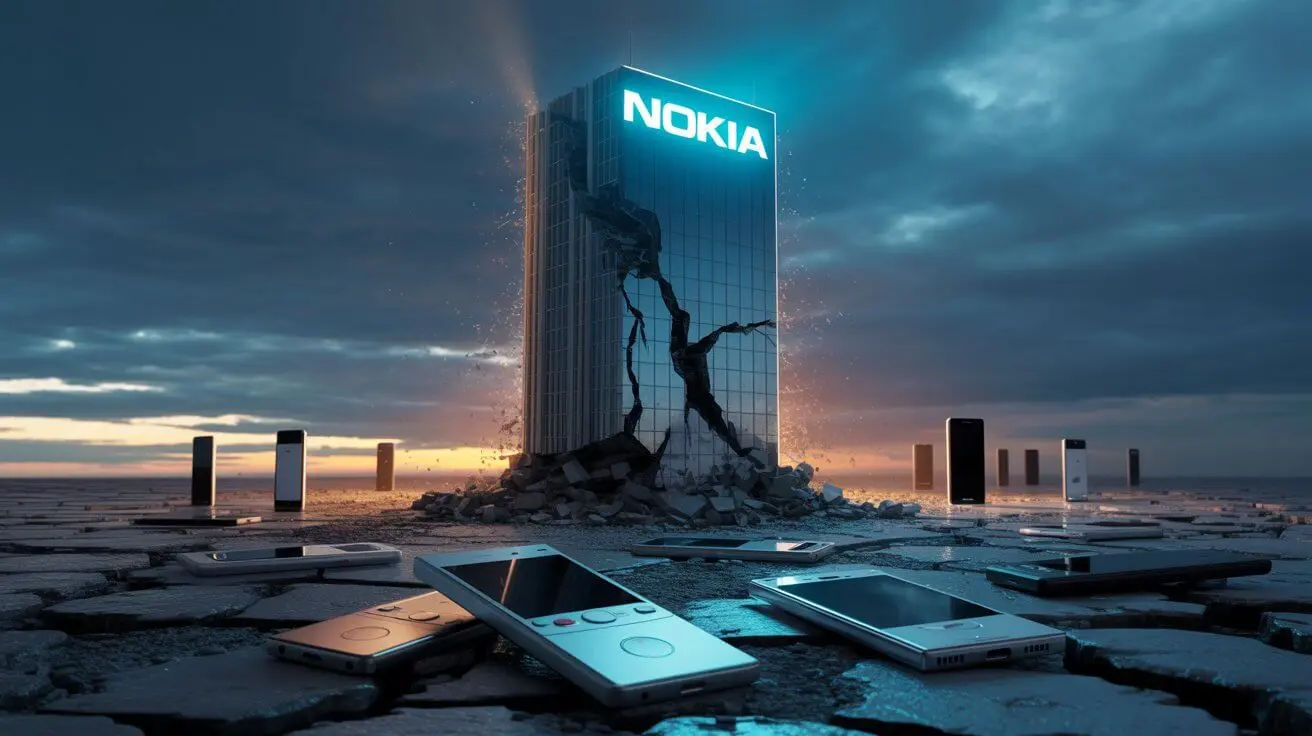
Nokia once sold more phones than any other company. They were the king of mobile phones. But when smartphones arrived, the company was slow to switch from its own Symbian software to modern systems like Android.
Nokia’s leadership believed their hardware quality and brand loyalty would carry them through. They were wrong. By 2013, Nokia’s phone business was sold to Microsoft for a fraction of its past value. Microsoft later wrote off most of that investment.
The lesson: Staying at the top is not about what you built yesterday, it’s about how fast you adapt today. Brand loyalty only lasts as long as you keep giving customers what they want.
3. Yahoo Passing on Google
This one still hurts to read about. In 1998, Google’s founders Larry Page and Sergey Brin offered to sell their search engine to Yahoo for about $1 million. Yahoo refused, thinking their portal strategy was the future of the internet.
Later, in 2002, Yahoo again had the chance to buy Google for $5 billion and said no. Today, Google dominates search with a value of more than $1 trillion, while Yahoo was eventually sold for a fraction of its peak value.
The lesson: Don’t underestimate a competitor just because they’re small. Innovation often starts in garages and dorm rooms. Sometimes the biggest opportunities look insignificant at first glance.
4. Ignoring Cybersecurity Until It’s Too Late
In 2017, Equifax announced a data breach that exposed the personal information of 147 million people. The cost? Over $1.4 billion in cleanup, lawsuits, and settlements.
Here’s the kicker: the breach happened because they didn’t patch a known security vulnerability. The fix was available months before hackers exploited it. Someone just didn’t prioritize it.
This wasn’t a sophisticated attack that no one could have prevented. It was basic security maintenance that got pushed to the bottom of the to-do list.
The lesson: Cybersecurity isn’t something you handle after everything else is done. It needs to be baked into how your company operates from day one. Regular updates, employee training, and security audits aren’t optional anymore.
5. BP’s Deepwater Horizon Disaster
In 2010, BP’s Deepwater Horizon oil rig exploded in the Gulf of Mexico, killing 11 people and spilling millions of barrels of oil into the ocean. The environmental damage was catastrophic.
The cleanup, legal fines, and lost reputation cost BP more than $60 billion. Investigations revealed that cost-cutting measures and ignored safety warnings led to the disaster.
The lesson: Cutting corners on safety or maintenance may save money short term, but it can destroy your business in the long run. The cost of prevention is always less than the cost of disaster, both financially and morally.
6. Launching Without Proper Testing

Remember the Samsung Galaxy Note 7? In 2016, Samsung rushed to beat the iPhone to market. The result was phones that literally caught fire in people’s pockets.
The company had to recall millions of devices. The financial damage exceeded $5 billion, but the brand damage was even worse. People were afraid to buy Samsung phones for years afterward.
Boeing’s 737 MAX disasters tell a similar story. Software issues and inadequate testing led to two fatal crashes, killing 346 people. The financial cost topped $20 billion. The human cost was immeasurable.
The lesson: Speed to market matters, but not at the expense of safety and quality. Cutting corners on testing might save you a few weeks, but it can cost you years of recovery and billions in losses.
7. Facebook’s Privacy Scandals
From the Cambridge Analytica incident to repeated data-leak issues, Facebook’s handling of user privacy led to massive trust and market-value losses. The Cambridge Analytica scandal alone affected 87 million users.
The company has paid billions in fines, including a record $5 billion FTC settlement in 2019, and continues to face global criticism and regulatory scrutiny. The reputational damage has been enormous, leading to the company rebranding itself as Meta.
The lesson: In the digital age, user trust is priceless. Once lost, it’s almost impossible to buy back. Data privacy isn’t just a legal issue, it’s fundamental to your relationship with customers.
8. Volkswagen’s “Dieselgate”
Volkswagen thought they could cheat on emissions tests without getting caught. They installed software in millions of diesel vehicles that detected when the car was being tested and temporarily reduced emissions.
When the truth came out in 2015, it cost them over $30 billion in fines, recalls, and legal settlements. The scandal destroyed their reputation and several executive careers ended abruptly.
The lesson: Compliance isn’t just paperwork. It’s about doing business ethically and legally. The short-term gains from cutting corners are never worth the long-term costs when you get caught. And you will get caught.
9. Poor Merger and Acquisition Decisions
In 2001, AOL and Time Warner merged in a deal valued at $165 billion. It’s often called the worst merger in history. The companies had completely different cultures, and the promised synergies never materialized. Time Warner later spun off AOL, which had lost most of its value.
HP bought Autonomy for $11 billion in 2011. Within a year, HP wrote off $8.8 billion, claiming they’d been misled about Autonomy’s finances. Whether that was true or not, the due diligence clearly wasn’t thorough enough.
The lesson: Buying another company isn’t like buying a car. You can’t just look at the numbers and call it a day. Culture fit, integration plans, and realistic expectations about synergies all matter enormously.
10. Kodak’s Digital Camera Mistake
Here’s an irony that cost billions: Kodak invented the digital camera in 1975. They had the technology before anyone else. But they shelved it because they didn’t want to hurt their profitable film business.
By the time Kodak tried to pivot to digital, it was too late. Competitors had caught up and surpassed them. The company filed for bankruptcy in 2012, ending over a century of dominance in photography.
The lesson: What made you successful yesterday might not work tomorrow. Companies need to be willing to cannibalize their own products before someone else does it for them. Protecting old business models can kill your future.
The Common Thread
What connects all these disasters? They were preventable.
None of these companies woke up one day and decided to lose billions of dollars. They made decisions that seemed to make sense at the time, or they simply didn’t make decisions when they should have.
The real cost of these errors goes beyond money. Careers ended, employees lost jobs, customers lost trust, and in Boeing’s and BP’s cases, people lost their lives.
What Can We Learn?
If you’re running a business or working in leadership, here are a few takeaways:
Invest in prevention. Whether it’s cybersecurity, quality testing, safety measures, or compliance, the cost of prevention is always less than the cost of disaster recovery.
Stay paranoid about change. The market that made you successful will evolve. Keep watching for disruption, even if it threatens your current business model. Sometimes you need to disrupt yourself.
Take small competitors seriously. Google, Netflix, and countless other giants started as tiny startups that established companies dismissed. Innovation doesn’t always come from the biggest players.
Culture matters as much as numbers. Whether you’re hiring, merging, or setting targets, remember that people make decisions. If your culture rewards the wrong behaviors, you’ll get the wrong results.
Speed is good, but not at any cost. There’s a difference between moving fast and being reckless. Know which risks are worth taking and which ones could end your company.
User trust is your most valuable asset. In the digital age, one privacy scandal can undo years of brand building. Treat customer data like you’d want yours treated.
Listen to the people who bring bad news. Every one of these disasters had someone, somewhere, raising red flags. The companies that avoid billion-dollar mistakes are the ones that actually listen.
Final Thoughts
None of us want to make the kinds of mistakes that end up as cautionary tales in blog posts. The good news is that most of them are avoidable if we’re willing to learn from others who weren’t so lucky.
The companies that thrive aren’t necessarily the smartest or the biggest. They’re the ones that stay humble, adapt quickly, and remember that today’s success doesn’t guarantee tomorrow’s survival.