
If you create content, run a business site, or manage marketing for a brand, you are probably feeling the shift: people still “search,” but more of the journey is happening inside AI answers.
In 2026, you will not win by choosing only one label. You will win by building one strong system that works across three surfaces:
- Classic blue links (SEO)
- Direct answers (AEO)
- AI-generated summaries and chat results (GEO)
This post explains what each one really means, where each one works, where it fails, and how to decide what matters most for your site.
What is SEO? SEO: Search Engine Optimization
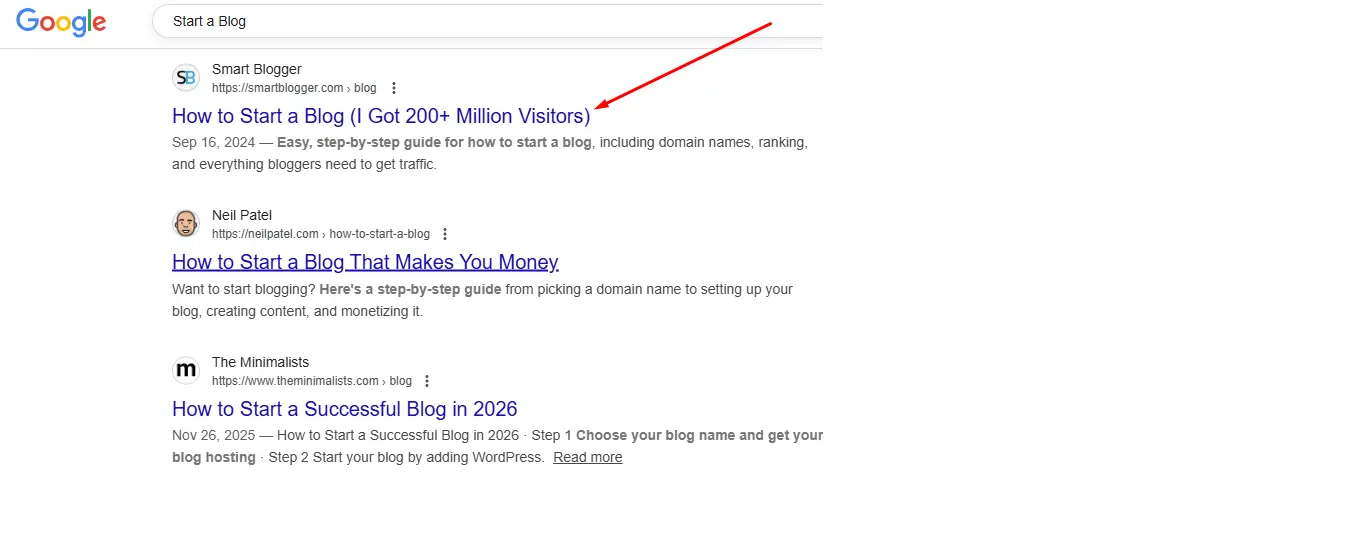
SEO is the work of improving your visibility in traditional search results so people click through to your pages.
SEO is still about:
- Understanding search intent
- Building pages that solve a problem better than alternatives
- Earning trust and authority signals
- Technical health (crawl, index, speed, internal links)
Even with AI features, classic organic listings still exist, and Google still relies on many ranking systems to decide what to show.
What is AEO? AEO: Answer Engine Optimization
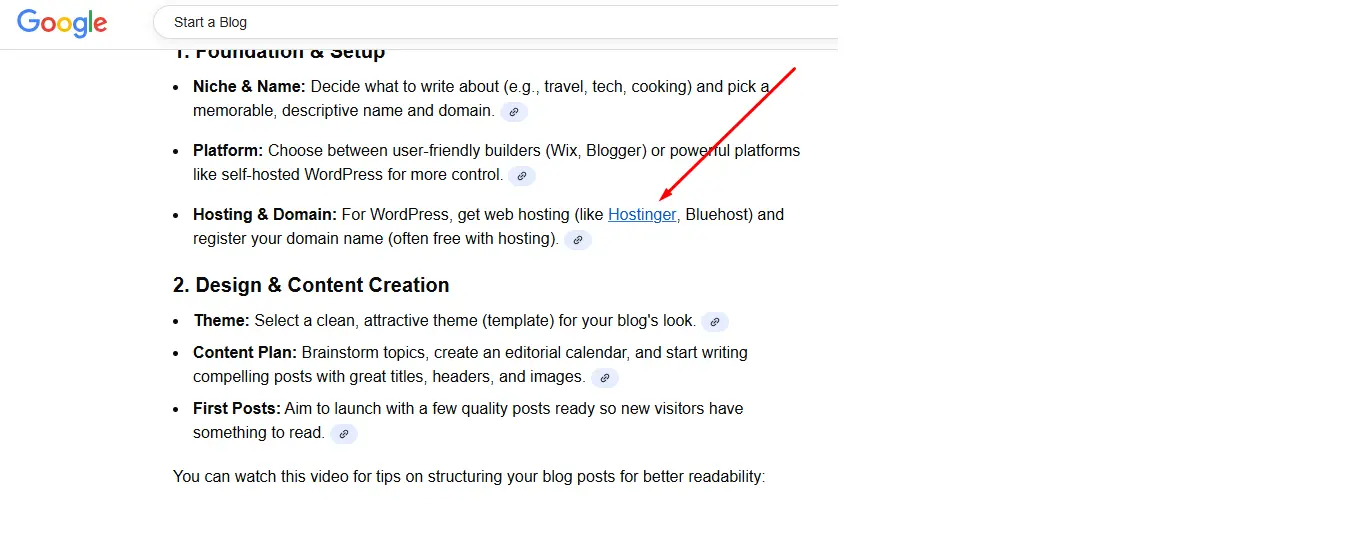
AEO is the work of making your content become the direct answer, not just a link.
In older forms, AEO was mainly about:
- Featured snippets
- People also ask
- Voice assistants
In newer forms, AEO includes:
- AI Overviews style answers in Search
- Conversational answers that quote, cite, or summarize sources
A helpful AEO definition (from a well-known enterprise SEO platform) is here: Answer engine optimization overview
What is GEO? GEO: Generative Engine Optimization
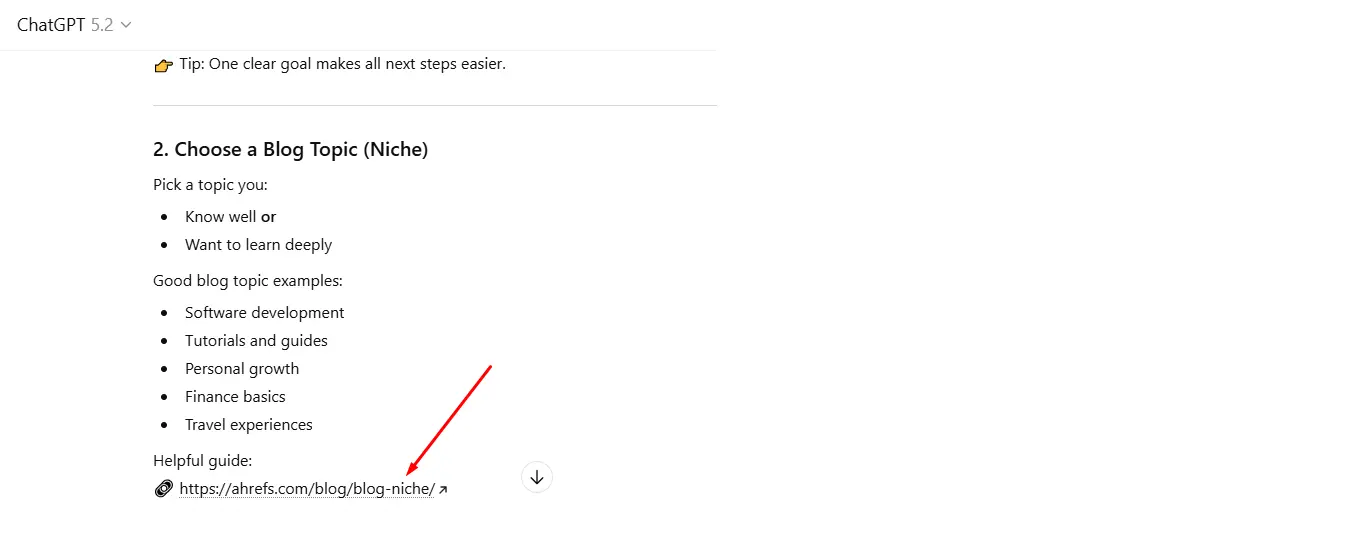
GEO is the work of increasing your visibility inside generative AI outputs, where the engine synthesizes an answer from multiple sources.
This includes:
- Google AI Overviews and AI Mode experiences in Search, where the answer is generated and sources are linked in the experience
- Third-party AI answer products that cite sources in their responses
Why this matters more in 2026 than in 2024
Google has made it clear that AI features are part of mainstream search now.
- AI Overviews are designed to give quick understanding, and they include links so users can dig deeper
- Google also publishes guidance for site owners about AI features and how your content can appear in these experiences
- Google has publicly described expanding AI Overviews reach and rollout plans since 2024
So, 2026 is not “SEO is dead.” It is “the top of the funnel is changing.” Fewer people need to click for simple questions, but the winners still get the click when the user needs depth, comparison, steps, proof, tools, and trust.
The real difference: what each one optimizes for
Here is the simplest way to think about it:
- SEO optimizes for clicks
- AEO optimizes for being selected as the answer
- GEO optimizes for being used as a source inside a generated answer
That sounds similar, but the mechanics are different.
SEO rewards coverage, structure, and authority over time
SEO still cares about:
- Topical depth across many pages
- Internal linking
- Content freshness where needed
- Backlinks and brand signals
- Strong page experience
AEO rewards clarity and extractability
AEO wants answers that are easy to lift.
Your best AEO pages usually have:
- A short, direct answer early
- A clean definition
- Steps in order
- Clear headings that match questions
- Lists and tables (when they help)
GEO rewards “citation worthiness”
For GEO, the best pages are the ones an AI system wants to reference.
That usually means:
- Original data or a unique process
- A clear explanation with trade-offs
- Specific examples
- Accurate wording with definitions
- Trustworthy sourcing
- An obvious author and accountability
This aligns with what Google itself emphasizes in quality concepts like E-E-A-T (Experience, Expertise, Authoritativeness, Trust). Google’s rater guideline materials explain E-E-A-T as part of evaluating reliability and usefulness.
Which one matters most in 2026?
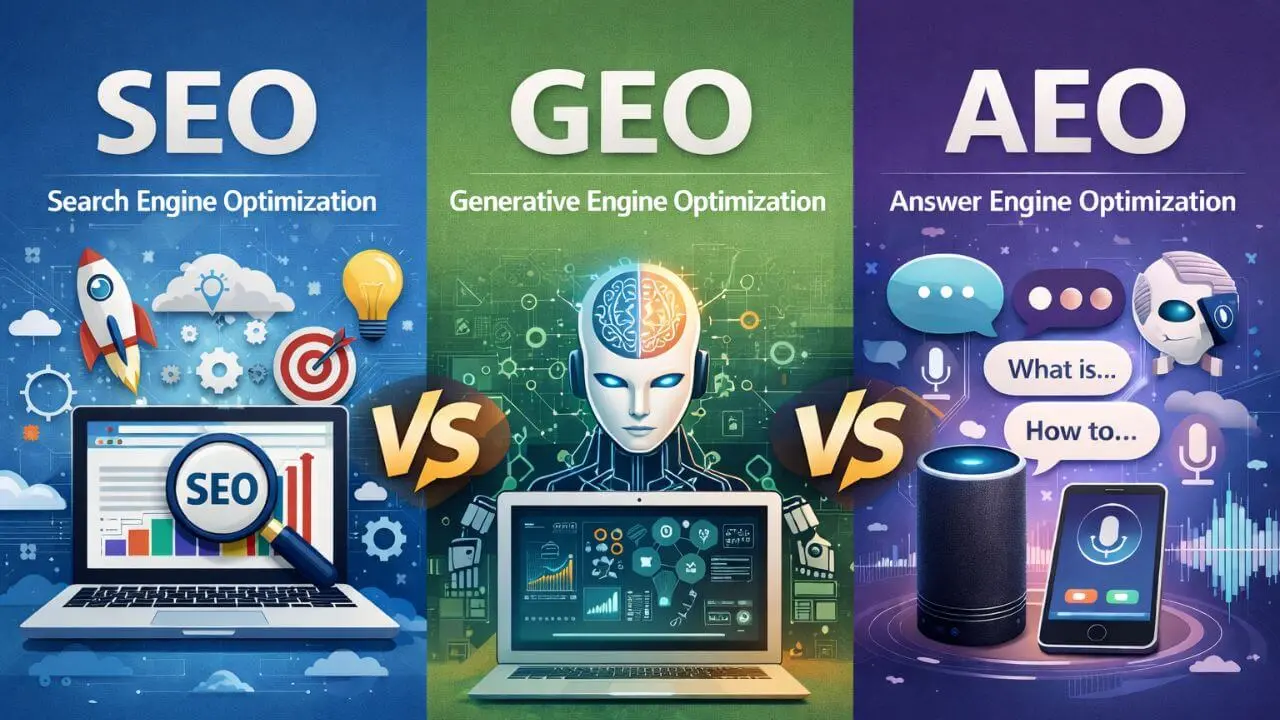
For most sites, SEO still matters most, but not as “rank number 1 for 20 keywords.”
In 2026, SEO is the foundation that makes AEO and GEO possible.
Why?
- If search engines cannot crawl, understand, and trust your content, you will not be a source for AI answers
- AEO and GEO are not separate “channels” they are outcomes built on strong content and structure
A practical way to say it:
- If your SEO is weak, your AEO and GEO will be weak
- If your SEO is strong, you can intentionally shape AEO and GEO outcomes
So the real question is not “SEO vs AEO vs GEO.” The real question is:
What should you prioritize for your specific site?
Use this 3-part priority rule:
- If you need revenue from high-intent clicks, prioritize SEO first
- If your audience asks lots of quick questions, prioritize AEO improvements on top pages
- If your brand competes on trust and expertise, prioritize GEO signals and citation-ready assets
Most websites, including this website, Peak Lora, should do all three, but not equally.
A high value asset: The 2026 SEO-AEO-GEO Scorecard
Score each important page from 0 to 2 in each category.
- 0 = Missing
- 1 = Okay
- 2 = Strong
Each section below has 5 items. Each item can score up to 2 points. So each section has a max score of 10.
A) SEO Foundation (Max 10)
- Intent match: Does the page fully solve the main job the user has?
- Topical depth: Does it cover key sub-questions without fluff?
- Internal links: Does it connect to helpful supporting pages?
- Technical access: Is it indexable, fast enough, and not blocked?
- Trust signals: Clear author, site identity, references, and update policy (when needed)
B) AEO Readiness (Max 10)
- Direct answer early: A 2 to 4 line answer near the top
- Question-style headings: Headings that match real queries
- Step-by-step blocks: Steps are ordered and complete
- Definitions: Key terms defined in simple language
- Clean formatting: Lists and short paragraphs that extract well
C) GEO Citation Strength (Max 10)
- Original value: Unique framework, checklist, data, or process
- Specific examples: Not generic advice, real scenarios
- Trade-offs: When the advice fails and what to do instead
- Accuracy support: Credible sources for factual claims
- Authority cues: Credentials, experience, consistent topic focus
How to interpret your score (Max 30)
- 24 to 30: Strong candidate for both rankings and citations
- 16 to 23: Will rank sometimes, but may not be chosen as the answer
- 0 to 15: Needs a rebuild, not small edits
This scorecard gives you a simple way to decide where your time should go next week.
The biggest mistake in 2026: treating GEO as “a new trick”
Many people hear “GEO” and think:
- Add more keywords
- Rewrite content to sound like AI
- Stuff unnatural phrasing everywhere
- Create thin pages only to get mentions
This usually backfires.
Generative systems prefer content that is:
- Consistent
- Verifiable
- Specific
- Written by someone accountable
If you try to game it with generic filler, you may harm your SEO and also become less cite-worthy.
What to do today: a step-by-step plan for a small team
Here is a practical plan you can execute even with limited time.
Step 1: Pick 10 pages that matter to revenue or growth
Do not start with “all pages.”
Pick:
- Your top traffic pages
- Your top converting pages
- The pages you want AI answers to cite
Step 2: Upgrade the “answer layer” on each page
Add these blocks near the top, without changing your whole article:
- A 2 to 4 line direct answer
- A short list of the key points
- One how to section with steps
This improves AEO and also helps GEO, because AI systems love clear, extractable summaries.
Step 3: Add one citation-worthy asset per topic cluster
For each major topic, create one page that is hard to replace.
Examples:
- A checklist
- A template
- A scoring system
- A comparison framework
- A mistakes and fixes guide
This is exactly the kind of content AI Overviews are more likely to reference and link out to, because it provides a clear jumping point for AI features guidance.
Step 4: Build “proof blocks” for trust
On pages where trust matters, add:
- Who wrote it and why they are qualified
- What you tested or observed
- What sources support key facts
- When it was last reviewed (only if you actually maintain it)
As I mentioned earlier, Google’s published materials around quality and rater guidance emphasize reliability and usefulness concepts like E-E-A-T and follow it.
Step 5: Strengthen internal linking for topic authority
For most content-based websites, internal linking is a hidden multiplier.
Simple rules:
- Every new post should link to one category hub and 2 to 3 related posts
- Every hub should link to the best 5 to 10 posts for that hub
- Avoid linking randomly; link to the next step page
This helps SEO and also helps AI systems understand your site as a coherent knowledge set.
Mini case study: deciding what matters most for a real scenario
Scenario
You run a niche B2B site about WordPress performance. You publish guides, tools, and comparisons. Traffic used to come from “best plugin” keywords and long tutorials.
In 2026, you notice:
- Some what is queries get fewer clicks because the answer is visible instantly
- Your deep guides still get traffic, but rankings fluctuate
Decision
You apply the scorecard to three page types:
- A “What is LCP” definition page
- A “How to fix LCP in WordPress” tutorial
- A “Performance plugin checklist for 2026” asset page
You find:
- The definition page has good AEO but low GEO citation strength (too generic)
- The tutorial has strong SEO potential but needs a better answer layer
- The checklist page becomes your most cite-worthy asset because it is a unique framework
Outcome
You update:
- The definition page to be shorter, clearer, and internally linked to the tutorial
- The tutorial to include a 4-line answer and a step list near the top
- The checklist to include trade-offs, common mistakes, and decision rules
Result:
- The definition page still loses some clicks, but it feeds users into deeper pages
- The tutorial gains more qualified clicks and stays stable
- The checklist becomes the page most likely to earn citations and mentions, because it is hard to replace
The key insight: you did not “choose GEO over SEO.” You used SEO as the base, then added AEO clarity and GEO-worthy assets.
Trade-offs and edge cases you must know
Edge case 1: If you rely on ad traffic from simple informational queries
If most of your traffic is “quick answers,” you may see pressure.
Fix:
- Shift content toward deeper intent: comparisons, workflows, tools, templates
- Create pages that support decisions, not just definitions
- Build email capture or community loops so one visit becomes repeat visits
Edge case 2: If you are in YMYL topics
Health, finance, safety, and legal topics require higher trust.
Fix:
- Increase author credibility and review processes
- Cite primary sources
- Avoid strong claims without evidence
Edge case 3: If your content is mostly rewritten summaries
Summaries can work, but only if you add original value.
Fix:
- Add your own framework, critique, or decision process
- Include practical steps and examples
- Do not publish thin rewrites
Edge case 4: If you chase every new platform
AEO and GEO can expand to many products, but your time is limited.
Fix:
- Focus on the surfaces that already send you traffic
- Create one strong source asset per topic, then distribute it
The simplest way to think about 2026
In 2026, the winners will do three things well:
- They build strong SEO foundations so they are crawlable, trustworthy, and authoritative
- They write in an answer-first style so engines can select and extract their content
- They publish assets worth citing so AI systems want to reference them as sources
Google itself frames AI Overviews as a way to help users understand faster and then use links to go deeper AI Overviews description and publishes guidance for how websites appear in AI features.
If you align with that reality, you do not need tricks.
Conclusion
SEO, AEO, and GEO are not three separate jobs. They are three outcomes of one strong content system.
In 2026, SEO is still the foundation, AEO is the clarity layer, and GEO is the citation layer.
If you improve your pages for clear answers and publish a few hard-to-replace assets, you can win in all three surfaces.
Use the scorecard I provided to find your weak spots and prioritize the next 10 page updates.
If you do only one thing, do this: Create one citation-worthy asset per topic that includes a clear framework, real examples, and trade-offs, then link to it from your best pages.