1) What is SEO, and what does “ranking” actually depend on today?
SEO is the process of getting the right pages to show up in Google when people search, and then turning those clicks into real actions (email signups, leads, sales).
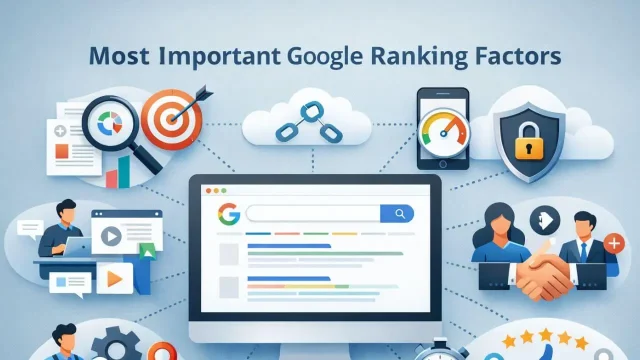
Ranking is not one thing. It is a mix of:
- Search intent match (does your page truly answer what people want?)
- Content quality and usefulness (clear, complete, original value)
- Page experience (speed, mobile usability, no annoying UX)
- Authority and trust (links, brand signals, reputation)
- Technical health (crawl/index, canonicals, duplicates, site structure)
The biggest mistake is focusing only on “keywords” and forgetting intent. If Google thinks your page type is wrong (example: you wrote a guide but searchers want a tool list), you will struggle even with great writing. So first match the intent, then improve quality, then strengthen internal links and authority.
2) How do I choose keywords that I can actually rank for?
Don’t pick keywords only because they have high volume. Pick keywords you can win with your current site strength.
A practical way:
- Start with problems, not keywords (what your audience is trying to solve)
- Search the term in Google and check the top 10 results:
- Are they huge brands only?
- Are they forums and small blogs too?
- Are results mostly guides, tools, or product pages?
- Choose topics where you can add a stronger angle:
- Better steps, better examples, better template, better comparisons
Also use “clusters”:
- 1 main topic page (hub)
- 5–15 supporting posts (sub-topics)
Then interlink them tightly. This is usually easier than trying to rank one random post with no support.
3) Do I need backlinks to rank, or can content alone win?
In many cases, you can rank without many backlinks, especially for long-tail keywords and niche topics. But for competitive keywords, backlinks (and overall trust) matter a lot.
Think of it like this:
- Content helps you deserve to rank
- Links help Google trust you enough to rank
The best approach is to first win easier queries with great content + internal linking. As you grow, you earn links naturally, and you can target harder keywords.
Also remember: not all links are equal. A few relevant links from real sites can beat lots of random links. Don’t chase spam. Build pages that people want to reference, like checklists, original data, templates, or genuinely helpful comparisons.
4) What is the fastest SEO win for a new site?
For a new site, the fastest wins usually come from:
- Going after low-competition long-tail searches
- Writing decision content that matches real intent
- Strong internal linking so Google understands your structure
Examples of “fast win” content types:
- “Best X for Y” where Y is a specific audience
- “X vs Y” for realistic comparisons
- “How to fix” posts for common problems
- “Checklist” and “template” pages
Also, make sure your pages are indexable and clean:
- One clear topic per page
- Proper title + H1
- No duplicates and no thin pages
For most sites, the “fastest” win is not a hack. It is picking the right keywords and shipping pages that are clearly better than what already ranks.
5) Technical SEO: what should I fix first so Google can crawl and index properly?
Start with the basics that break indexing:
- Make sure the page is not noindex
- Check robots.txt is not blocking important paths
- Ensure canonical is correct (self-referencing when needed)
- Submit a clean XML sitemap in Search Console
- Fix obvious duplicate content problems (tags, archives, parameter URLs)
- Make sure important pages are not buried (too many clicks deep)
Also watch for “accidental SEO killers”:
- Redirect chains
- Soft 404 pages
- Broken internal links
- Thin tag pages indexed by mistake
- Slow server + timeouts
You don’t need to be perfect. You need to avoid the issues that stop Google from trusting your site structure and from reliably indexing your important pages.
6) How do I write content that Google will treat as high quality (especially with AI everywhere)?
You can use AI to help, but your page must feel like it was made to genuinely solve the query better than others.
What raises quality fast:
- Clear point of view: what you recommend and what you don’t
- Real examples and real steps (not generic tips)
- Trade-offs: when a method fails, who it is not for
- Updated details: current tools, current features, current best practices
- Helpful formatting: short paragraphs, strong headings, clear checklist
A simple test: if someone reads only your page, can they take action without opening 10 tabs? If yes, that is quality.
Also avoid “content that says everything”. That often reads like AI and gives no strong direction. Better to be specific, even if it is not perfect for everyone.
7) How important is internal linking, and how should I do it correctly?
Internal linking is one of the most underrated SEO levers because you fully control it. It helps Google understand:
- which pages matter most
- how topics connect
- which pages should rank for which queries
A clean internal linking system:
- Each category/topic hub links to its best sub-topics
- Each sub-topic links back to the hub
- Related posts cross-link naturally when it truly helps the reader
Keep it simple:
- 5–15 internal links per post is usually fine, but only when relevant
- Use natural anchor text (not the same exact keyword every time)
- Link early in the post when it helps navigation
- Don’t hide important pages behind endless pagination
If you do this well, even a smaller site can rank faster because Google gets clear signals about your site structure.
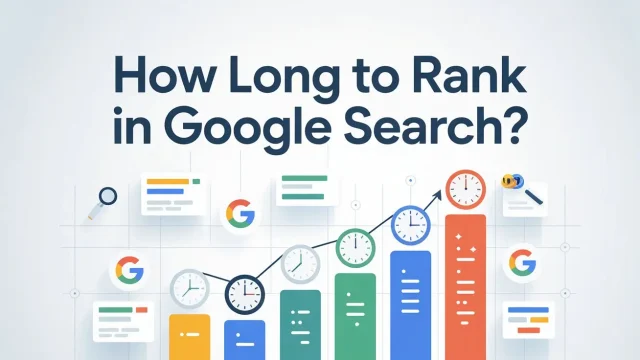
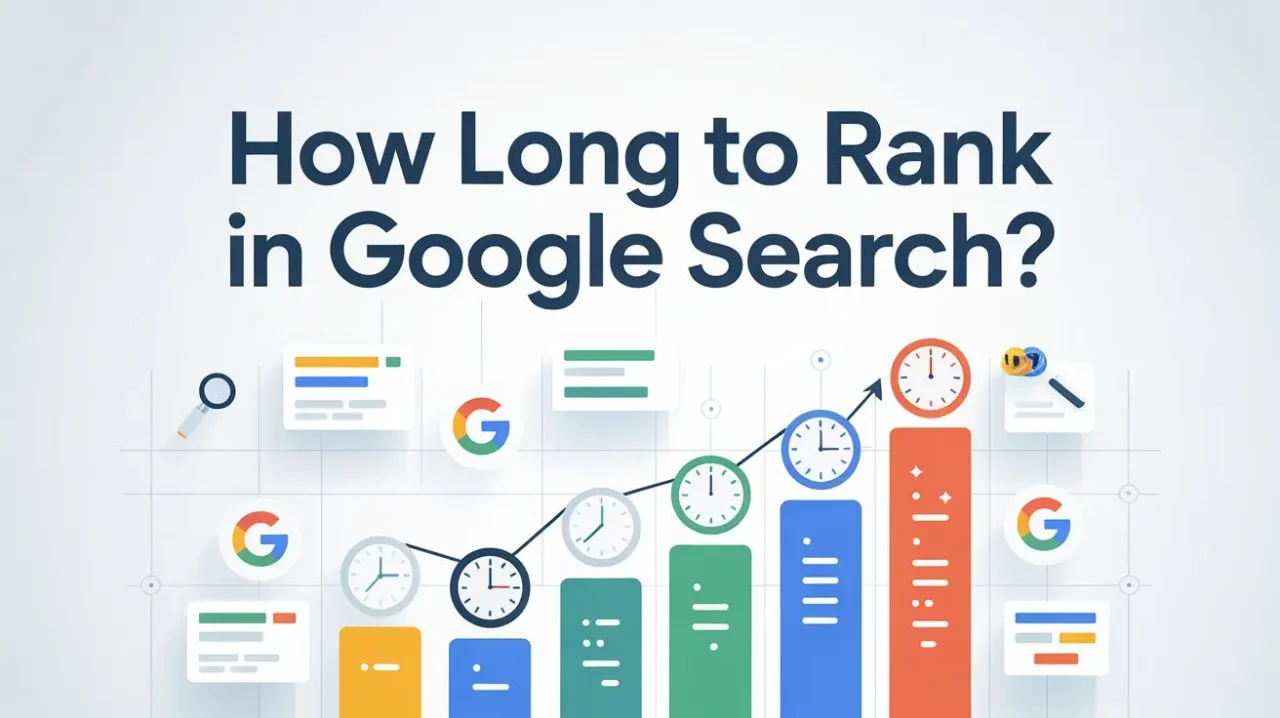
8) How long does SEO take, and how do I know I’m on the right track?
SEO usually takes time, but you can see early signals before rankings and traffic look “good”.
Typical early signals (weeks to a few months):
- Search Console impressions grow
- Some pages start ranking on page 2–5
- Long-tail clicks appear first
- Your best pages get more internal clicks and longer time on page
Track SEO like a system:
- Are you publishing consistently?
- Are you building topic clusters, not random posts?
- Are you updating and improving posts after publishing?
- Are your pages getting indexed reliably?
If you publish 20 strong pages in one topic area, interlink them, and update based on Search Console queries, you usually see movement. The sites that fail are the ones that publish thin content, never update, and never build a clear internal linking structure.




 Peak Lora is an AI-powered platform that curates, categorizes, and ranks the best content in Business & Startups, SEO, Content Marketing, Social Media Marketing, Paid Ads, and Web & CMS. It combines AI scoring with real user signals to highlight high-quality, fresh, and practical insights for founders, marketers, and creators.